

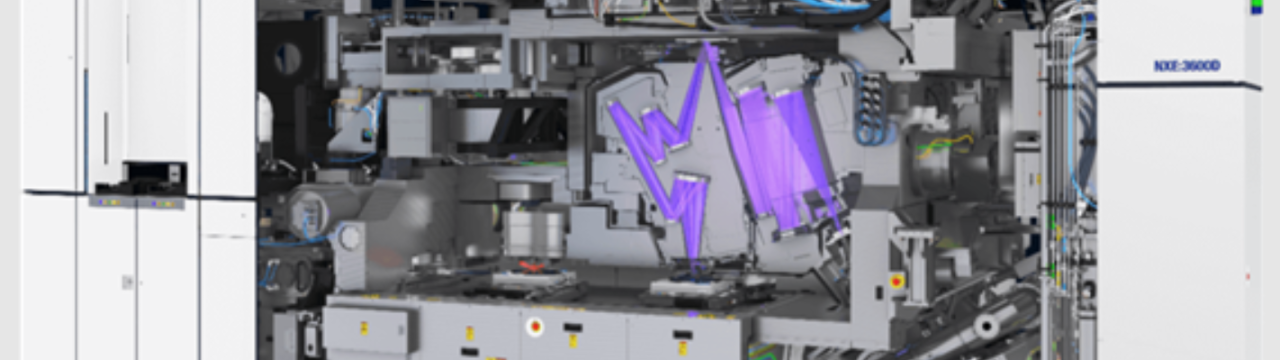
Hydrogen flow
To mitigate the contamination of the walls of the source module with tin, and to prevent damage to its delicate optical components, a hydrogen flow is applied, but this does not fully prevent tin from aggregating on the vessel walls.
Objective
This project aims at the removal of these tin atoms using a novel plasma-based technology. The idea is that tin (Sn) at the surface can bind to hydrogen (H) atoms to form the volatile compound stannane (SiH4), which can be carried out of the vessel by the hydrogen flow that is already present. The hydrogen atoms that are required for this process will be produced in a plasma that is created by applying microwaves to the hydron gas in the source vessel. To support this development, plasma models and simulation tools will be realized that increase our understanding of the plasma dynamics and other factors that affect the tin removal rate.
Results
The proposed technique will allow higher source powers and will reduce the operating costs by allowing a significant reduction of the hydrogen flow.